
Blogs
How Printable Planners Create Structure, Clarity, and Balance in Everyday Life
Nov
1. Why More People Are Choosing Printable Planners Over Traditional Notebooks
In recent years, the rise of Printable Planners has marked a major shift in how people organize their lives. While traditional planners remain useful, they often lack the flexibility that modern lifestyles demand. With changing priorities, hybrid work schedules, and increasing personal responsibilities, people want planning tools that adapt to them—not the other way around.
That is where Printable Planners shine. They allow users to instantly access, print, and customize layouts that match their needs. Whether someone wants a minimalist schedule, a colorful aesthetic planner, or a goal-oriented structure, printable formats offer unlimited possibilities. Users can combine Daily Planner Pages, Weekly Layouts, Monthly Calendars, Budget Templates, and Wellness Trackers into a personalized system that evolves over time.
More importantly, Printable Planners eliminate the limitations of pre-printed books. Instead of wasting space on unused pages or feeling constrained by fixed formats, people print precisely what they need, when they need it. This freedom is a key reason printable planning continues to gain popularity among professionals, students, and busy families.
2. The Core Benefits of Using Printable Planners for Daily Life
2.1 A Planning System That Evolves With You
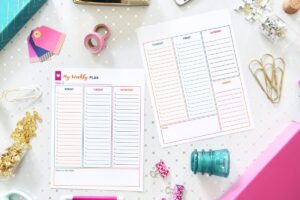
Life changes—so should your planner. Unlike traditional books that lock you into a single format for an entire year, Printable Planners give you the power to adjust your layouts as your priorities shift.
For example:
During busy weeks, you can print Time-Blocking Sheets for hour-by-hour planning.
When focusing on wellness, you can add Fitness Trackers, Meal Planning Pages, or Mood Logs.
For financial goals, you can incorporate Expense Trackers, Saving Goal Sheets, or Debt Payoff Planners.
This flexibility makes printable planning systems a long-term companion for productivity and mental clarity.
2.2 A More Mindful, Focused Way to Stay Organized
The act of writing by hand reduces stress, improves memory retention, and increases focus. Many people feel overwhelmed by digital notifications and prefer a planning method that doesn’t involve screens. Printable Planners offer this tactile, distraction-free experience.
When you write your goals, habits, and tasks on paper, you engage with them more intentionally. This strengthens your commitment and makes you more likely to follow through. It also helps you reflect on your week with a clearer mindset, which is essential for personal growth.
2.3 Perfect for Goal Setting and Consistent Progress
One of the greatest advantages of Printable Planners is the availability of templates designed specifically for long-term vision. These include:
Yearly Goal Worksheets
Quarterly Milestone Sheets
Progress Trackers
Vision Board Pages
Habit-Building Charts
These tools allow you to break down big dreams into smaller, achievable steps. Over time, these small steps create momentum that leads to real, measurable success.
3. Popular Types of Printable Planners (And How They Support Your Routine)
3.1 Time Management and Scheduling Planners
These include:
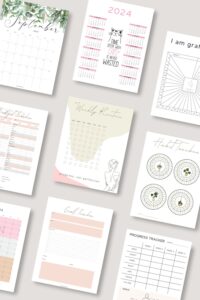
Daily Planner Templates with priorities, notes, and schedules
Weekly Planner Sheets for balancing multiple roles
Monthly Calendar Printables for long-term overview
Busy professionals often use these planners to balance work, meetings, and deadlines. Students use them to map out study sessions, assignments, and exams. Parents use them to manage household schedules and family responsibilities.
3.2 Lifestyle and Wellness Planners
Printable wellness planners help users practice healthier routines consistently, such as:
Meal Prep Planners
Grocery List Templates
Exercise & Step Count Trackers
Water Intake Charts
Self-Care Checklists
These planners encourage a more balanced lifestyle and can significantly improve physical and mental well-being.
3.3 Financial and Budgeting Printable Planners
Money management becomes far more organized with structured templates such as:
Monthly Budget Sheets
Income Trackers
Bill Payment Checklists
Savings Challenges
Debt Snowball Planners
These planners help users visualize spending habits and stay accountable to financial goals.
3.4 Creative, Business, and Content Planning Templates
For entrepreneurs and creatives, Printable Planners offer layouts that improve workflow, including:
Content Calendars
Brainstorming Pages
Productivity Trackers
Project Planning Worksheets
Client Meeting Notes
These tools can streamline operations and boost consistency in business efforts, especially for freelancers, marketers, and small business owners.
4. Building Your Own Effective Planning System With Printable Planners
4.1 Choose the Format That Works for You
Before printing, consider what style motivates you the most:
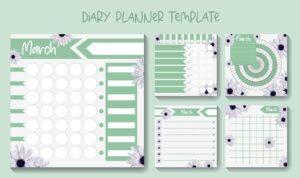
Minimalist planners for clarity and focus
Aesthetic or decorative planners for creativity
Color-coded planners for visual organization
Bullet journal–inspired printables for free-form planning
Your planner should inspire you to use it daily.
4.2 Print Only What You Truly Need
This is one of the biggest advantages of printable formats. If you prefer weekly planning over daily planning, you only print weekly pages. If your lifestyle changes later, simply add new templates.
Many users rely on a mix of:
Daily pages (for busy periods)
Weekly pages (for general routines)
Monthly pages (for macro planning)
This combination keeps your system balanced without overwhelming you.
4.3 Organize Your Planners Using the Right Tools
Once printed, pages can be organized in several ways:
A binder with dividers
A disc-bound notebook (for easy rearranging)
A clipboard-style planner
A wall-mounted system for shared family planning
Laminated sheets for reusable tracking
The method you choose should fit your workflow and physical space.
Conclusion
Printable Planners provide a powerful blend of structure, creativity, and adaptability. They are more than just sheets of paper—they are productivity systems designed to help you stay balanced, focused, and intentional in every area of your life. Whether you’re planning your day, organizing your finances, mapping out goals, or tracking habits, these customizable tools make it easy to build a planning routine that evolves as you do.

 Goodnotes Planners
 reMarkable Planner