Blogs
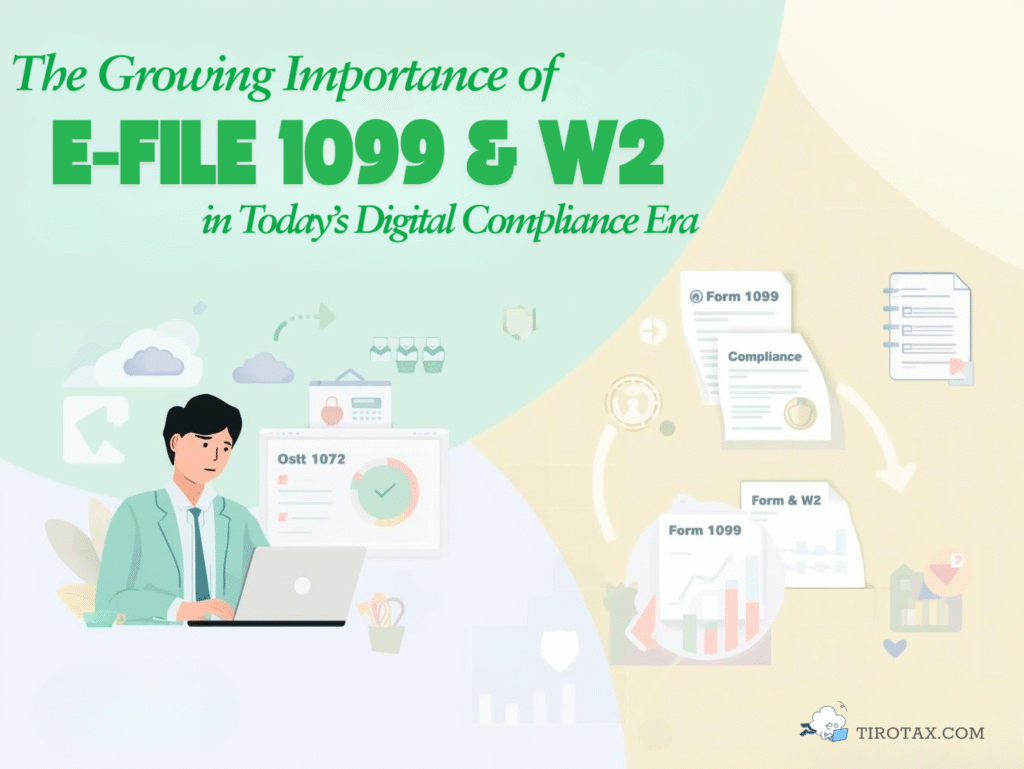
The Growing Importance of E-File 1099 & W2 in Today’s Digital Compliance Era
Nov
1. Why Digital Filing Is Becoming a Standard Requirement
As business operations evolve in a data-driven world, traditional tax paperwork is quickly giving way to digital solutions. Among these, E-File 1099 & W2 stands out as one of the most impactful tools for achieving compliance, accuracy, and efficiency. With increasing IRS regulations and stricter deadlines, the need for streamlined electronic workflows has become more urgent than ever. Filing tax forms online is no longer a convenience—it is rapidly becoming an industry norm.
This shift has been especially significant for organizations dealing with large contractor networks, seasonal employees, or complicated payroll systems. Paper forms are prone to delays, human error, and storage challenges. In contrast, E-File 1099 & W2 offers automation, real-time validation, and immediate confirmation of IRS acceptance. Digital filing solutions also help businesses meet the rising demand for transparency and accountability in financial reporting.
Modern keywords related to digital compliance—such as tax automation, e-filing solutions, payroll integration systems, electronic W-2 processing, and IRS digital requirements—fit naturally within this growing demand for modernized tax workflows.
2. Key Benefits of Implementing E-File 1099 & W2 Across Your Organization

Adopting E-File 1099 & W2 delivers a range of operational and compliance benefits that businesses can no longer ignore. One of the most notable advantages is accuracy. Electronic filing platforms automatically detect missing fields, mismatched TINs, formatting issues, or mathematical inconsistencies before submission. This greatly reduces rejection rates and minimizes the need for amended filings.
Speed is another crucial benefit. Traditional mail services can take days or even weeks, especially during peak tax season. But E-File 1099 & W2 sends data directly to the IRS and SSA within minutes. Many platforms also support batch uploads, making it easy to manage 50, 500, or even thousands of forms at once. This scalability is particularly valuable for HR departments, accounting teams, and payroll administrators.
Digital filing also simplifies recordkeeping. Instead of sorting, storing, and retrieving paper documents manually, businesses can maintain secure digital archives organized by year, department, or form type. This strengthens internal audits and improves long-term compliance capabilities. With cloud-based filing solutions, team members across locations can collaborate more effectively and reduce operational bottlenecks.
3. Critical Components of a Smooth E-File 1099 & W2 Workflow
A successful transition to E-File 1099 & W2 requires careful planning and structured workflow design. The first and most essential step is data accuracy. All contractor and employee details—including legal names, addresses, Social Security Numbers, and tax identification numbers—must be correct and verified before importing data into your filing system.
3.1 Choosing the Right Filing Platform
Not all electronic filing platforms offer the same level of reliability. A high-quality E-File 1099 & W2 system should provide:
Automated error-checking
TIN Matching compatibility
Bulk import options like CSV, Excel, or system-to-system integration
Cloud-based data storage
Secure encryption and multi-step authentication
Digital or print-and-mail delivery for recipient copies
Choosing a reputable provider ensures that the filing workflow remains smooth even during peak demand periods.
3.2 Understanding IRS Deadlines
Deadlines play a crucial role in the success of electronic filing. Most 1099-NEC and W-2 forms must be filed by January 31. Late filing penalties can escalate quickly depending on how long the delay lasts and how many forms are affected. A reliable E-File 1099 & W2 system will send automated reminders and display clear dashboards showing upcoming deadlines.
3.3 Secure Storage and Audit Readiness
Compliance doesn’t end after submitting forms. Businesses must maintain records for several years for audit purposes. Digital archives make this significantly easier. A good filing system offers centralized storage so you can quickly retrieve forms, confirm details, and produce documentation for IRS verification.
4. Practical Tips to Improve Your E-File 1099 & W2 Filing Results
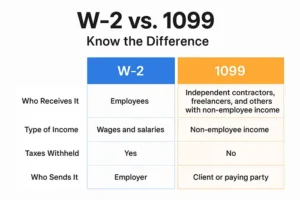
Even though digital filing simplifies the tax process, following best practices will maximize efficiency and prevent unnecessary complications.
4.1 Verify Every TIN Before Filing
TIN errors are one of the most common causes of IRS rejections. Using TIN Matching tools will help ensure that contractor and employee information is accurate before submission.
4.2 Keep Payroll and Contractor Records Updated Year-Round
Businesses that consistently update their records face fewer issues during tax season. Make sure payment logs, timesheets, contracts, and payroll details are maintained monthly, not just annually.
4.3 Centralize Your Data
When information is stored across multiple platforms or departments, inconsistencies occur. Integrating payroll, HR, and accounting systems with your E-File 1099 & W2 solution reduces errors and eliminates duplicate data entry.
4.4 Stay Updated on IRS Regulatory Changes
Each year, IRS regulations may introduce changes to formatting, submission rules, or thresholds that determine whether electronic filing is mandatory. Staying informed helps prevent compliance issues and ensures that your filing process remains aligned with federal expectations.
4.5 Run a Pre-Submission Audit
Before sending your forms, review all data one final time. Many platforms offer a “preview” mode that simulates the filing process and highlights missing or inconsistent information. This step alone can prevent countless headaches.
The Future of E-File 1099 & W2: Automation, Integration, and AI
Looking forward, E-File 1099 & W2 is expected to become even more advanced and interconnected. Automation will reduce manual data entry to near zero, pulling information directly from payroll systems, accounting software, and contractor management tools. AI-driven platforms will be able to predict filing errors before they occur and provide intelligent suggestions for improving data hygiene.
Integration will also expand. Future systems may sync directly with banks, digital wallets, invoicing platforms, and enterprise resource planning (ERP) software to create a fully unified financial reporting ecosystem. This will eliminate silos and give organizations unprecedented visibility over their tax and payroll operations.
Enhanced security measures such as biometric authentication, blockchain-based verification, and encrypted data streaming will further protect sensitive information. As the IRS continues to modernize its digital infrastructure, E-File 1099 & W2 will increasingly become the preferred—and possibly required—method for all businesses across the country.

 Goodnotes Planners
 reMarkable Planner