Blogs
The Rising Influence of Digital Planners in Modern Productivity
Dec
1. Understanding Why Digital Planners Are Becoming Essential
In recent years, Digital Planners have transformed the way individuals, students, and professionals organize their tasks and structure their lives. The shift from traditional paper planners to flexible, interactive digital tools reflects the growing demand for convenience and adaptability in a fast-paced world. With technology integrated into nearly every aspect of daily routines, modern users need systems that sync seamlessly across devices, update in real time, and support long-term productivity goals.
This evolving digital landscape has encouraged the widespread adoption of Digital Planners across platforms such as tablets, laptops, smartphones, and cloud-based dashboards. Paired with popular tools like GoodNotes planners, Notability planners, OneNote planners, and Google Calendar integrations, they give users complete control over their schedule, projects, and goals. Unlike traditional notebooks, these planners combine creativity, structure, and automation to create a personalized planning experience that can adjust to life’s changing demands.
2. Key Benefits of Using Digital Planners in Everyday Life
The popularity of Digital Planners continues to rise because they offer multiple advantages over traditional methods. Whether someone is a student, entrepreneur, manager, or stay-at-home organizer, digital planning provides unmatched flexibility and convenience.
2.1 Real-Time Updates and Unlimited Customization
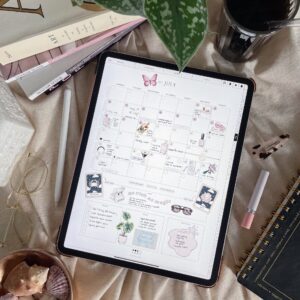
One major benefit of Digital Planners is the ability to make instant edits without clutter or limitations. Users can add new pages, rearrange layouts, update calendars, and incorporate digital tools like hyperlinks, stickers, task lists, and habit trackers. Related keywords such as customizable planner templates, digital stickers, and hyperlinked planners highlight the creative potential of these tools.
Digital pages never run out of space, allowing users to reorganize their plans without starting over. This makes planning far more dynamic compared to traditional notebooks, which quickly become messy when schedules change.
2.2 Multi-Device Synchronization
The ability to sync across multiple devices is one of the most valuable features of modern Digital Planners. Whether on an iPad, desktop computer, or smartphone, users can access their planning system anytime, anywhere. This ensures that tasks, appointments, and notes are always updated and never forgotten. Many people also enjoy using integrated features like cloud-based planner apps, cross-platform productivity tools, and synchronized task managers for a seamless workflow.
2.3 Eco-Friendly and Cost-Effective
As concerns about sustainability grow, digital systems offer an environmentally conscious alternative. Users no longer need to buy new paper planners each year; instead, they can reuse and update their Digital Planners indefinitely. This makes them both eco-friendly and budget-friendly, especially for those who frequently revise their schedules or track multiple projects at once.
3. How Digital Planners Enhance Productivity and Daily Organization
Digital Planners are not just digital notebooks; they are powerful productivity systems designed to help users stay organized, achieve goals, and reduce stress.
3.1 Centralized Task and Project Management
By consolidating to-do lists, reminders, long-term goals, and daily tasks in one place, planners help users stay focused and avoid scattered information. The ability to integrate related tools—such as project trackers, goal-setting worksheets, time-blocking layouts, and productivity dashboards—creates a holistic planning experience that boosts accountability.
3.2 Enhanced Creativity and Engagement
Many users enjoy adding vision boards, journal pages, study trackers, fitness logs, and budget planners to their digital system. Creative customization keeps planning enjoyable, making users more likely to stay consistent. The combination of structure and personalization encourages long-term engagement, making Digital Planners a lifestyle tool rather than a simple scheduling resource.
3.3 Built-In Automation and Alerts
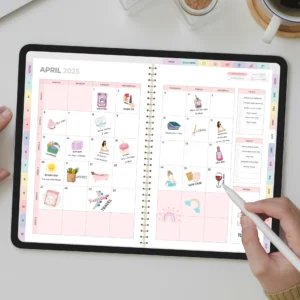
Unlike paper planners, digital systems offer automated reminders, pop-up notifications, recurring tasks, and goal progress tracking. This automation makes it easier to stay on top of deadlines and cultivate productive habits. Related keywords like productivity apps, task automation tools, and AI-enhanced planners reflect this expanding technological capability.
4. Why More People Prefer Digital Planners Over Traditional Paper Planners
The shift toward digital planning reflects broader changes in how people manage work, school, and personal life.
4.1 Flexibility for Remote Work and Hybrid Schedules
As remote work and flexible schedules become increasingly common, people need planning systems that adapt quickly. Digital Planners offer customizable templates for weekly planning, project timelines, content creation calendars, and more. This makes them ideal for freelancers, employees, and business owners who must juggle multiple responsibilities.
4.2 Enhanced Organization for Students and Educators
Students benefit immensely from using Digital Planners to track assignments, exams, study routines, and academic goals. Teachers and professors also use them for lesson planning, grading logs, and classroom organization. Additional keywords such as student digital planners, academic planners, and teacher planning templates highlight these growing applications.
4.3 Greater Accessibility and Usability
Accessibility features such as digital text search, voice-to-text input, and cloud backup improve the overall user experience. These features help users retrieve information quickly and avoid losing important notes.
5. Essential Features to Look for in Quality Digital Planners
Choosing the right planner can significantly impact productivity and user satisfaction. When evaluating options, consider the following factors:
5.1 Hyperlinked Navigation
A well-designed Digital Planner includes clickable tabs and internal links that allow for seamless movement between months, sections, and notes.
5.2 Compatibility With Popular Apps
Make sure the planner works with tools such as GoodNotes, Notability, OneNote, iPad Pro tablets, or Android note-taking apps.
5.3 Customizable Templates and Add-Ons
Look for planners that offer bonus pages such as meal planners, habit trackers, fitness logs, financial budget sheets, and project planners.
The Future of Digital Planners in the Productivity World
The demand for Digital Planners will only continue to grow as technology advances. We can expect future planners to include more automation, AI-driven recommendations, improved cross-platform syncing, and deeper integrations with productivity ecosystems.
Ultimately, Digital Planners are becoming more than organizational tools—they are evolving into complete lifestyle systems designed to help people stay focused, motivated, and in control of their daily routines and long-term goals.

 Goodnotes Planners
 reMarkable Planner