Blogs
Why Printable Planners Are Becoming the Ultimate Productivity Tool in 2025
Dec
1. The Renewed Appeal of Printable Planners in a Digital-Heavy World
As digital calendars, planning apps, and automation tools expand rapidly, an unexpected trend is rising in parallel: the comeback of Printable planners. Once considered old-fashioned, printable planning tools have transformed into a flexible, modern, and customizable solution for individuals craving control, creativity, and simplicity. While digital tools offer convenience, many people are turning to pen-and-paper methods to feel more grounded, organized, and intentional in their routines.
Related keywords that commonly accompany this shift include DIY planner pages, planner inserts, printable calendars, daily planner printables, weekly planner templates, productivity worksheets, and goal-setting printables. The wide variety of formats demonstrates how people are increasingly designing their own systems rather than relying on restrictive pre-made planners.
One of the key reasons for this shift is the desire for personalization. Unlike fixed yearly planners, Printable planners let users assemble layouts that actually match their lifestyle—whether they need space for academic tasks, business projects, family schedules, content creation, or personal development. This versatility has made printables a preferred option for students, freelancers, teachers, creators, entrepreneurs, and anyone who manages a busy, multi-layered life.
2. How Printable Planners Improve Focus, Structure, and Daily Performance
2.1 A Physical Planning Method That Reduces Digital Fatigue
Today’s world is saturated with screens—phones, laptops, tablets, and online dashboards. Digital overload can make planning feel more like a chore than an empowering routine. Printable planners offer an analog escape, giving users a tactile way to slow down, focus, and think clearly about upcoming tasks. Holding a pen, flipping pages, and visually seeing progress helps reduce digital fatigue while increasing emotional connection to daily plans.
Writing things down on paper has been shown to improve memory retention and enhance cognitive processing. Unlike tapping notes into a device, handwriting encourages deeper thinking—making Printable planners especially effective for brainstorming, goal-setting, and habit tracking.
2.2 A System That Adapts to Any Planning Style
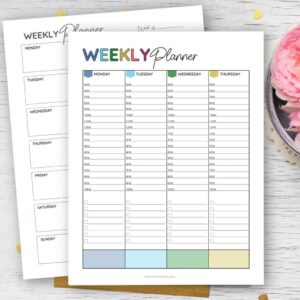
One size does not fit all when it comes to productivity. Some people thrive on structured daily checklists, while others prefer broad weekly overviews. The beauty of Printable planners lies in their adaptability. Popular layout types include:
Daily printable planners with time slots
Weekly horizontal or vertical templates
Monthly calendars for big-picture organization
Habit trackers for healthy routine-building
Budget printables, including income logs and savings trackers
Meal planning pages
Project management printables
Vision boards and goal-setting worksheets
Because users can mix sections freely, each planner becomes a personalized, evolving tool tailored to individual workflow patterns.
2.3 Helping Both Personal and Professional Organization
Whether someone is organizing client meetings or mapping out personal goals, Printable planners provide structure without rigidity. Professionals often use them for:
Content calendars
Brainstorming sheets
Meeting notes
Task batching and time-blocking
Sales or marketing trackers
Meanwhile, personal-use sections such as wellness trackers, gratitude logs, and travel planning templates make printables valuable beyond work. This all-in-one functionality is a major reason for their popularity among multipassionate individuals.
3. The Aesthetic and Functional Evolution of Modern Printable Designs
3.1 Customizable Looks That Inspire Productivity
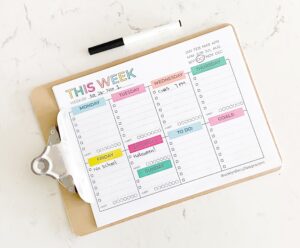
The new generation of Printable planners isn’t just functional—they’re visually appealing and customizable. Users can choose styles ranging from minimalist black-and-white to pastel aesthetic, botanical illustrations, business-professional layouts, or cute creative themes. This design freedom allows individuals to choose a look that energizes them and keeps planning enjoyable.
The rise of social platforms like Pinterest, Instagram, and TikTok has further boosted interest in planner aesthetics. Many people enjoy curating a visually pleasing workspace with matching planner inserts, creating motivation through design.
3.2 Cost-Effective and Unlimited Reuse
Instead of purchasing a new planner every year, users can download templates once and reuse them forever. Printable planners are significantly more cost-effective because they eliminate the need for annual replacements. They also provide unlimited copies—perfect for high-volume use such as teacher planning, homeschooling, client documentation, or business workflows.
For people who vary their routines throughout the year, printables offer unmatched flexibility. Need more daily pages in January but more weekly spreads in April? Simply print what you need, when you need it.
3.3 Eco-Friendly Options Through Selective Printing
Despite being paper-based, Printable planners can be eco-friendly when used intentionally. Selective printing helps reduce waste by avoiding unused sections that traditional planners typically include. Users can also print on recycled paper, double-sided sheets, or even laminate key pages to reuse them with dry-erase markers.
This sustainability aspect appeals to eco-conscious users who want an organized life without contributing to unnecessary waste.
Why Printable Planners Will Continue to Grow in the Future
As flexible work schedules, hybrid lifestyles, and personalized workflows become the norm, Printable planners will play an even bigger role in productivity culture. People want tools that adapt to them—not the other way around. The combination of aesthetic design, customizable structure, and tactile engagement makes printables timeless, even in a tech-focused world.
Looking ahead, we will likely see more niche planner sets (for creators, entrepreneurs, students, wellness-focused users), as well as hybrid planning systems that combine printable inserts with digital companions.

 Goodnotes Planners
 reMarkable Planner