Blogs
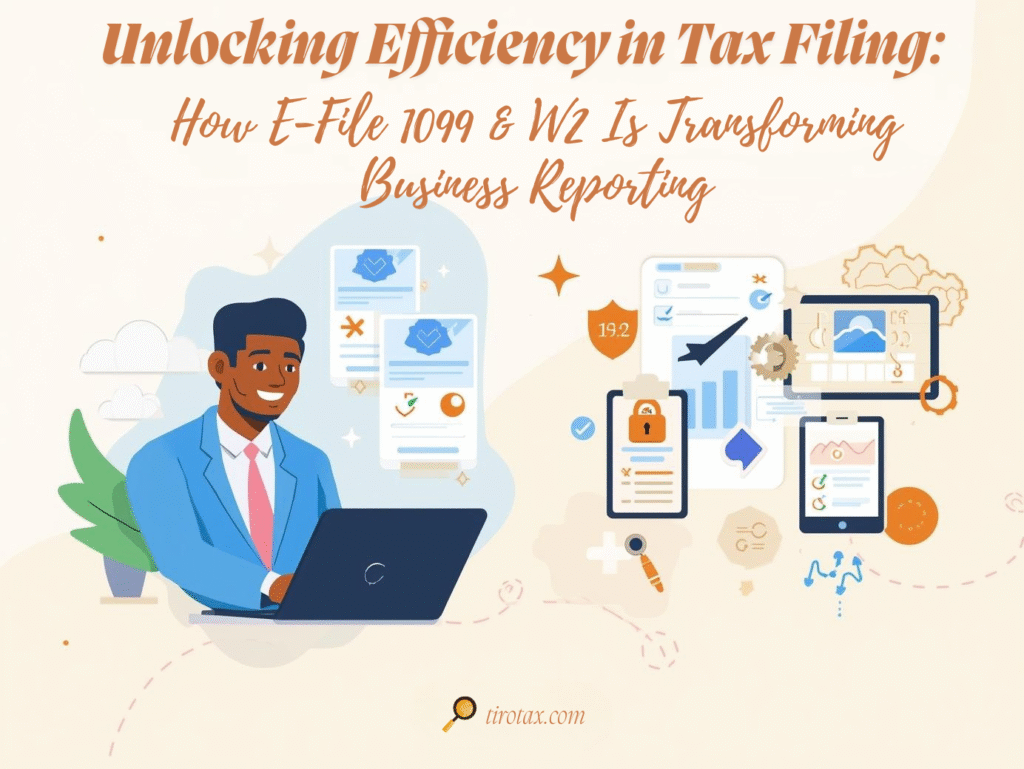
Unlocking Efficiency in Tax Filing: How E-File 1099 & W2 Is Transforming Business Reporting
Dec
1. The Shift Toward Digital Tax Filing
The modern workplace has evolved: remote teams, flexible contractors, digital payrolls, and growing data requirements. In this new environment, traditional paper-based tax reporting no longer keeps up. This is where E-File 1099 & W2 becomes a game-changer. Businesses are rapidly moving to digital filing systems not just for convenience, but because it has become integral to operational efficiency and IRS compliance.
Paper forms get lost, numbers get misread, and deadlines become harder to track. With electronic submissions, companies gain reliability, structured workflows, and the ability to manage large amounts of employee and contractor data without drowning in paperwork. As tax regulations continue to tighten, E-File 1099 & W2 offers a proactive solution that aligns with modern business demands.
2. The Business Advantages of Using E-File 1099 & W2
2.1 Accurate Payroll & Contractor Reporting
When payroll data is transferred directly into an E-File 1099 & W2 platform, chances of manual input errors drop dramatically. Whether reporting wages through Form W-2 or contractor payments via Form 1099-NEC, accuracy is crucial. Incorrect Social Security numbers, missing addresses, or miscalculated totals can trigger IRS penalties. Digital filing eliminates many of these risks through automated validation checks that ensure data meets official formatting and mathematical rules.
2.2 Speed That Paper Filing Cannot Match
Paper filing takes days or even weeks — printing, signing, mailing, waiting. In contrast, electronic filing submits your data instantly. IRS confirmations are received faster, and employees/contractors can receive their copies via email or secure portals on the same day. For companies with seasonal teams or high contractor turnover, this speed is essential during tax season.
2.3 Lower Costs and Fewer Administrative Burdens
Storage boxes, printer ink, envelopes, postage, and physical archiving all add up. Switching to digital tax management removes these expenses entirely. Even better, many platforms allow batch uploads, meaning a company can process hundreds of forms at once — saving enormous time for HR and accounting teams.
3. Understanding Employer Obligations in the Digital Age
3.1 When You Must File
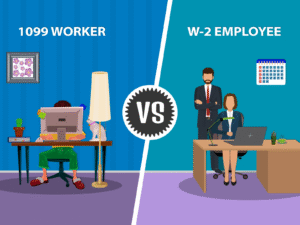
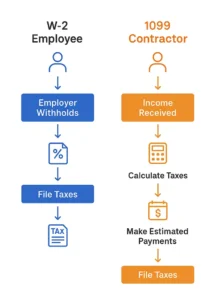
If you paid a contractor at least $600 during the tax year, you must file Form 1099-NEC. If you paid wages to any employee, even part-time or seasonal, you must file a Form W-2.
The deadline for both forms is typically January 31, and failure to meet it can lead to escalating fines. Using E-File 1099 & W2 helps avoid late submissions by sending automated reminders and tracking overall filing progress.
3.2 Matching IRS Requirements
With paper filing, employers often don’t discover mistakes until they receive IRS notices weeks later. But with E-File 1099 & W2, real-time data validation helps catch issues instantly — such as incorrect TIN/SSN numbers, duplicate records, or missing totals. This immediate feedback minimizes rejection risks and ensures your business meets all IRS compliance standards.
4. How E-File 1099 & W2 Streamlines the Entire Filing Workflow
4.1 Centralized Management of All Forms
Instead of juggling piles of paper, employers get a unified platform where all 1099 and W-2 documents are stored, edited, approved, and submitted. This reduces confusion, ensures consistency across data sets, and eliminates the possibility of misplaced documents.
4.2 Workflow Automation for Better Productivity
Advanced tax workflow automation tools can assign tasks, track progress, send alerts, and route forms for approval. HR and accounting teams no longer need to send endless emails or cross-check spreadsheets. Every step — from data entry to IRS submission — becomes part of a guided digital process.
4.3 Secure Digital Delivery for Recipients
With digital filing, businesses can deliver recipient copies electronically through email or password-protected portals. This eliminates postal delays and ensures workers receive their documents on time. It also allows recipients to download lost copies instantly, reducing the administrative load on employers.
5. What to Look For in a Quality E-File 1099 & W2 Solution
5.1 Strong Security and Encryption
Tax documents contain highly sensitive information. Your e-file provider must use encryption, multi-factor authentication, and secure cloud storage. A trustworthy system ensures that only authorized users can access payroll and tax data.
5.2 Direct IRS and SSA Connectivity
A reliable provider must transmit your forms directly to the IRS and Social Security Administration. This ensures quicker acceptance and fewer processing delays. It also provides audit trails so you always know the status of your submissions.
5.3 Bulk Import and Integration Options
Good E-File 1099 & W2 platforms integrate seamlessly with payroll software, accounting systems, and HR management tools. They also allow CSV uploads for companies working with custom data formats. This flexibility ensures that the filing system adapts to your workflow — not the other way around.
Conclusion: Why Digital Filing Is No Longer Optional
As businesses embrace remote work, online payroll systems, and digital compliance standards, E-File 1099 & W2 has become essential — not optional. It provides accuracy, speed, and lower costs while helping companies meet strict IRS deadlines.
Whether you manage a small team or oversee a nationwide workforce, transitioning to electronic filing elevates your tax operations, improves security, and reduces risk. In a world where efficiency matters more than ever, E-File 1099 & W2


 Goodnotes Planners
 reMarkable Planner